
A few years ago, I traveled to Lapland to complete part of my doctoral studies. This journey marked an important period of reflection in my artistic practice. I arrived in the middle of winter, and natural light became a defining element of my daily life. I painted and wrote, considering my room a creative laboratory where different artistic processes unfolded continuously, evolving in dialogue with natural cycles. Paper became my constant companion, a portable material that accompanied me for five months.
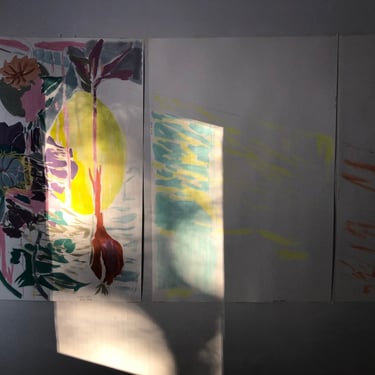
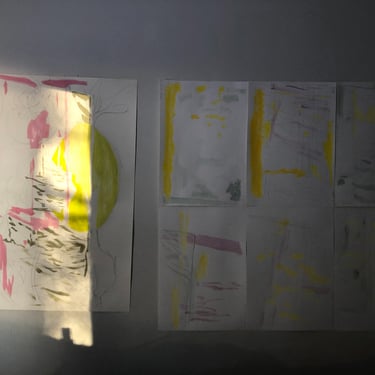
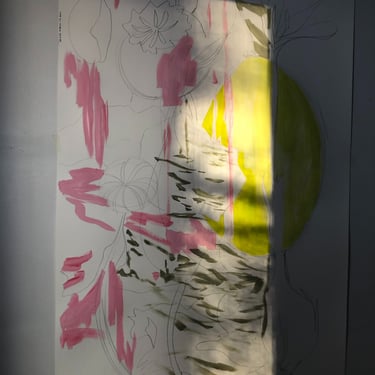
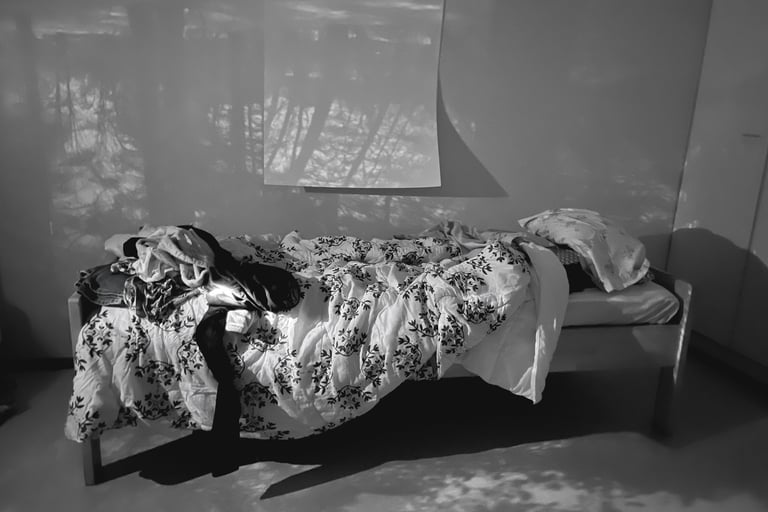
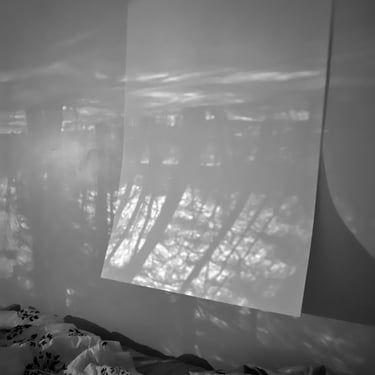
I began drawing the shadows of the forest as they were reflected on the walls. On each sheet of paper, I recorded the exact time when those rays of light appeared, often lasting only an instant. Every day, for months, I repeated this process, observing how the intensity of the light, the contrasts, and the surface qualities of the materials gradually changed.
From this experience, several formats emerged: artist’s books compiling these pages, notebooks in which I observed nature and color within the room, and a camera obscura that I built after night had fallen.
Material poem
Lapland´s lights diary
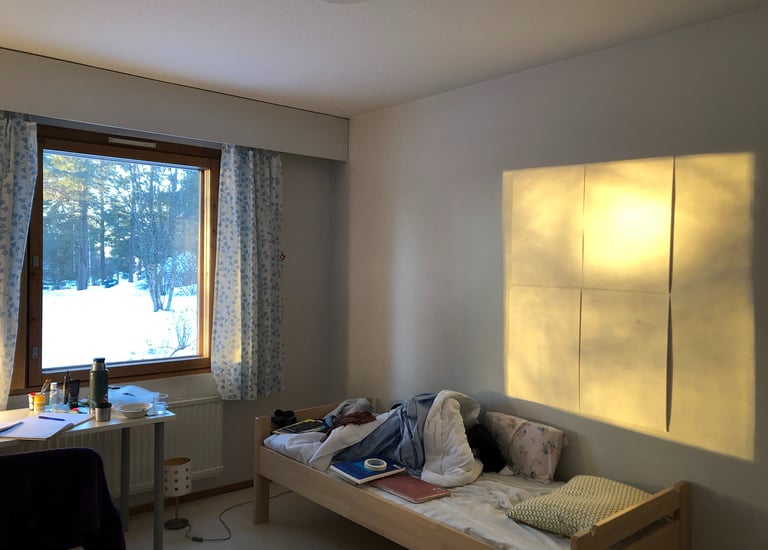
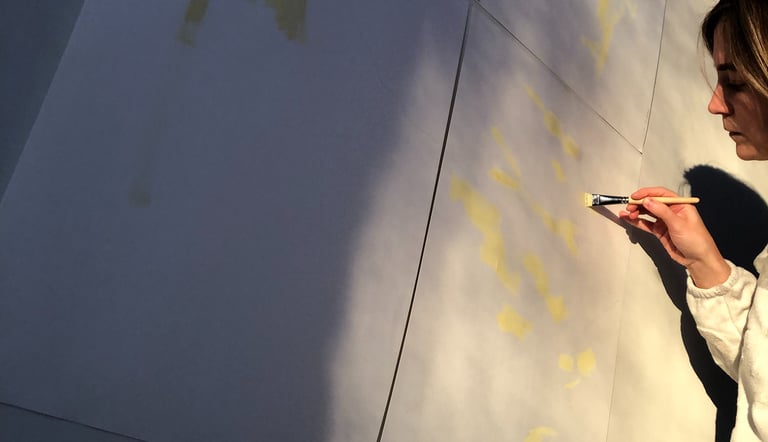
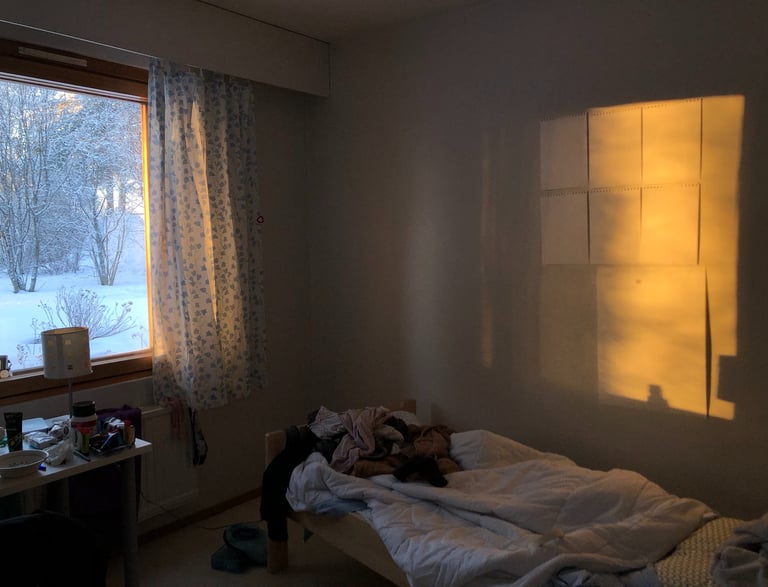
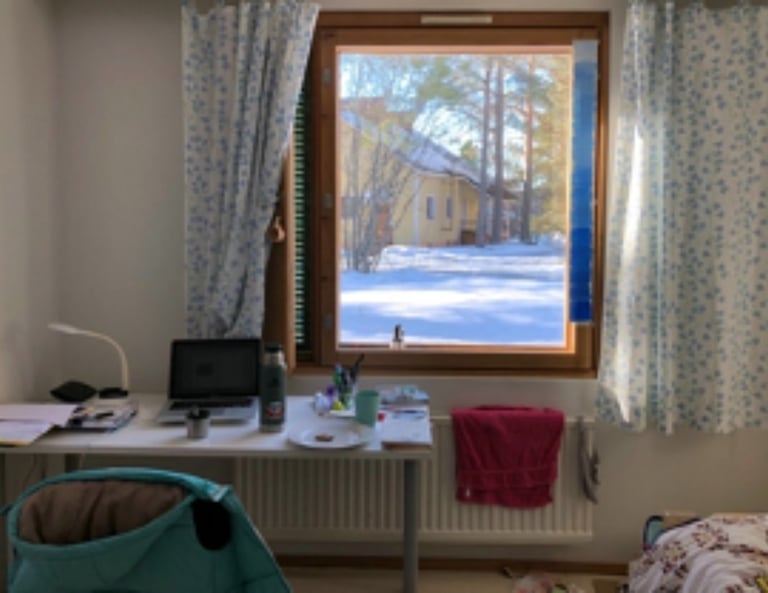
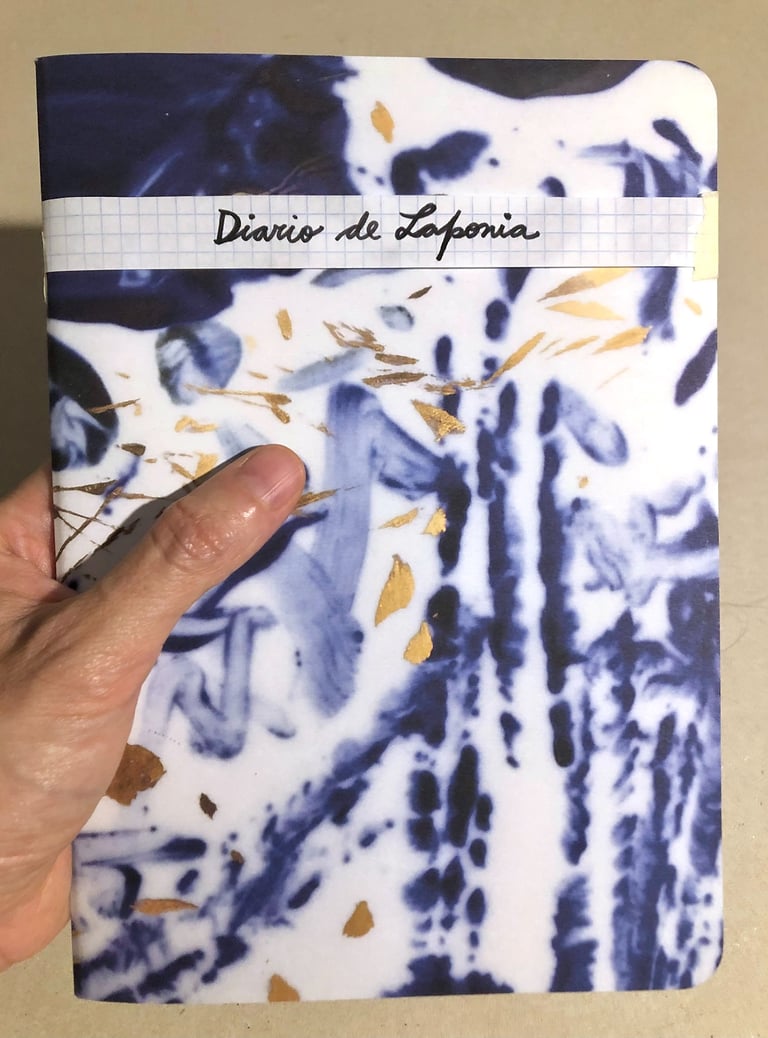
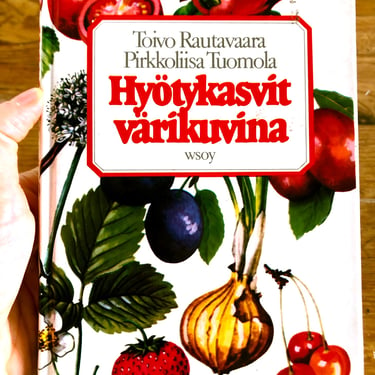
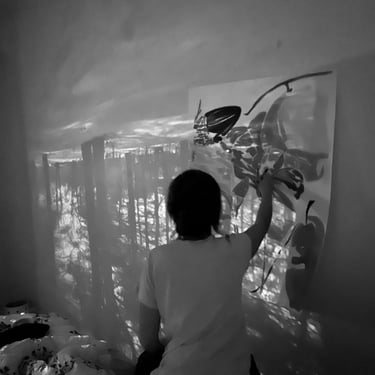
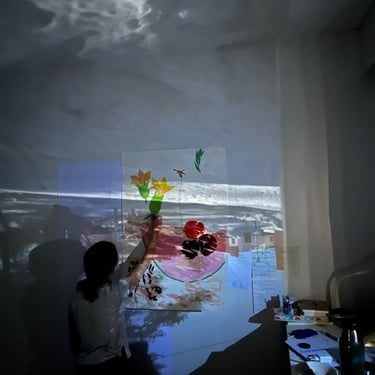
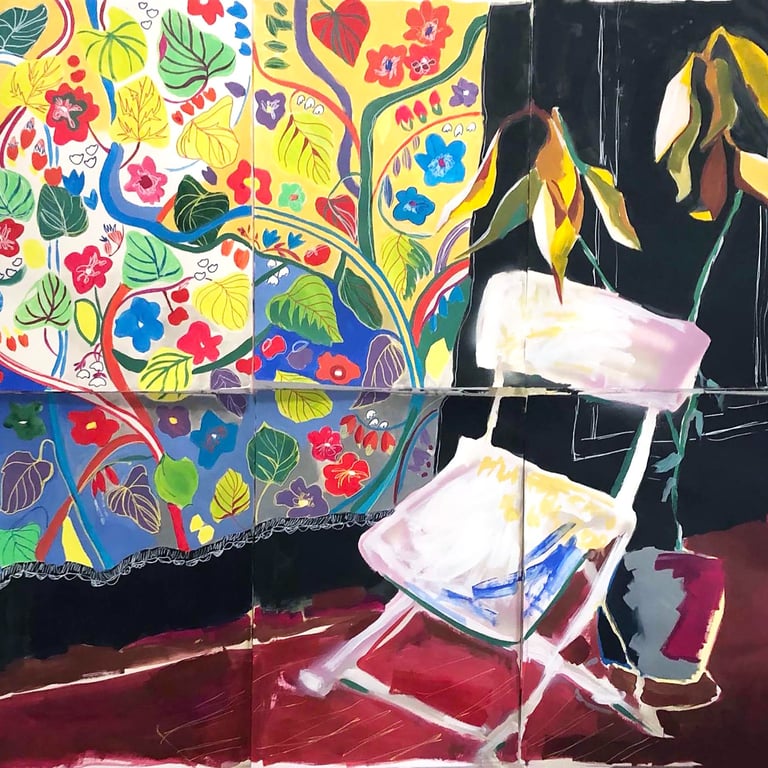
At the beginning of spring, I also found a book on botany. Its images inspired me to create gardens on the papers I had transformed during the winter.
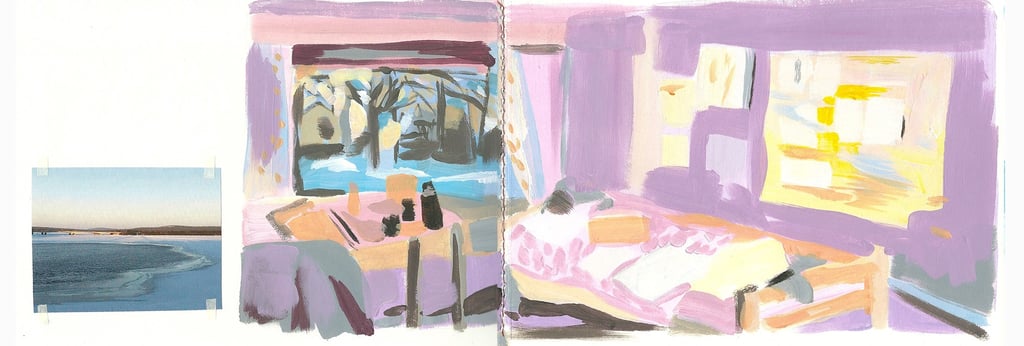
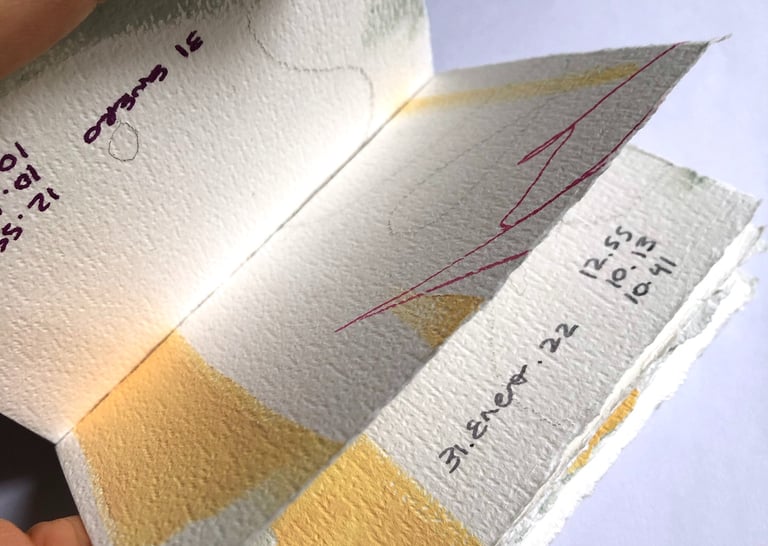
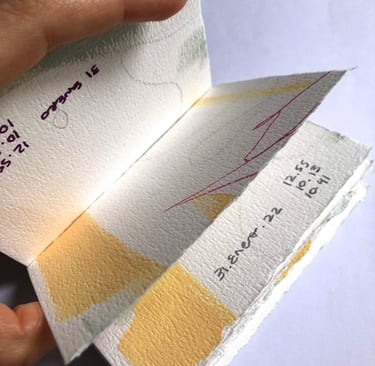
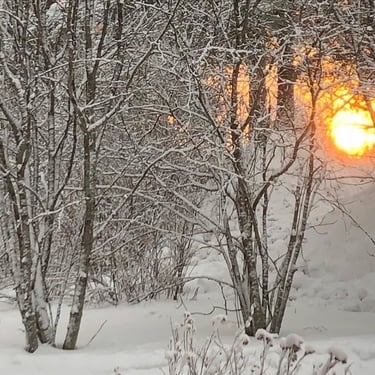
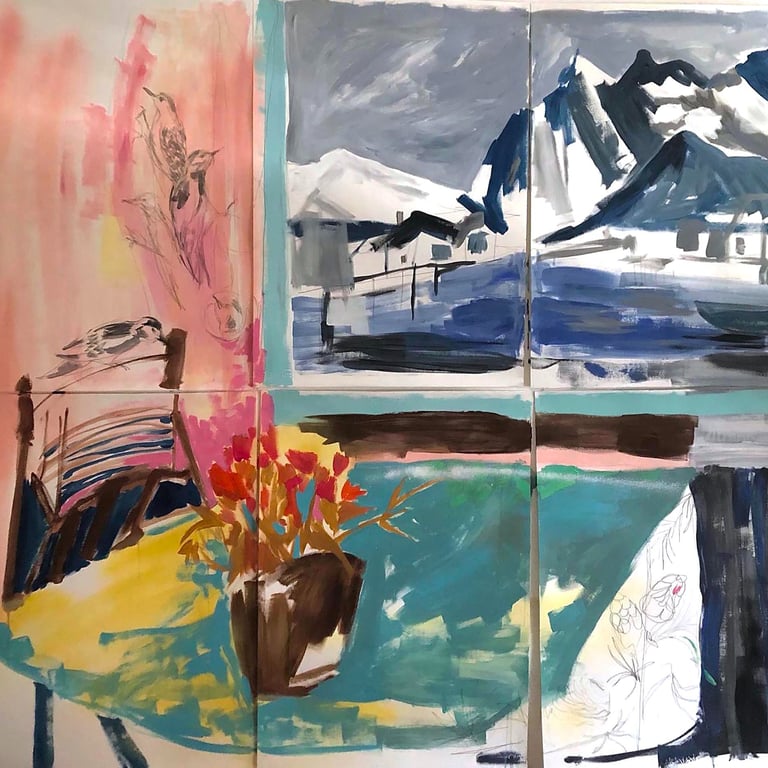
I also investigated variations in the colors of the landscape. Next to my bedroom window, I placed a scale to paint everyday scenes with those chromatic nuances, and I collected photographs at different times of day to explore the relationships between nature and color.
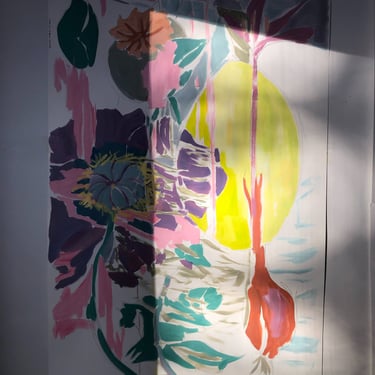
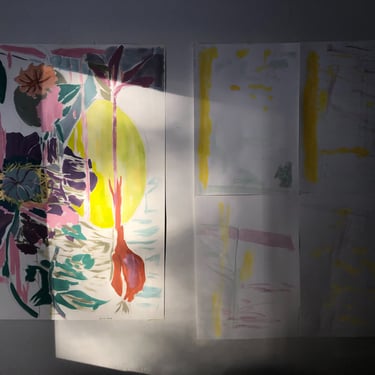
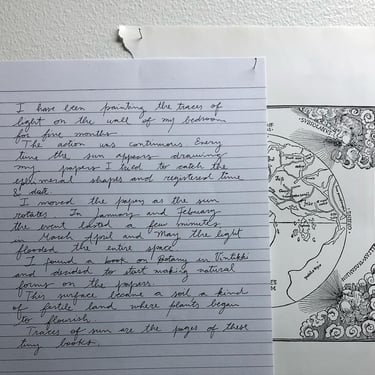
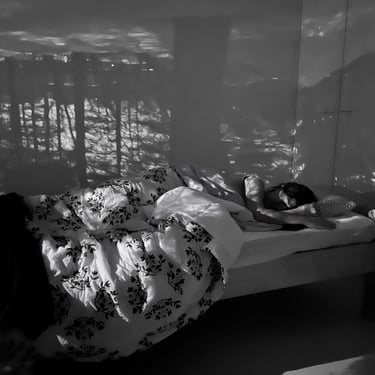
When spring arrived and the days dissolved the night, I assembled a camera obscura in my room. The outside seeped into the inside, as if I were immersed in a moving image—everything shifting, everything gently unfolding, inverted upon the wall.
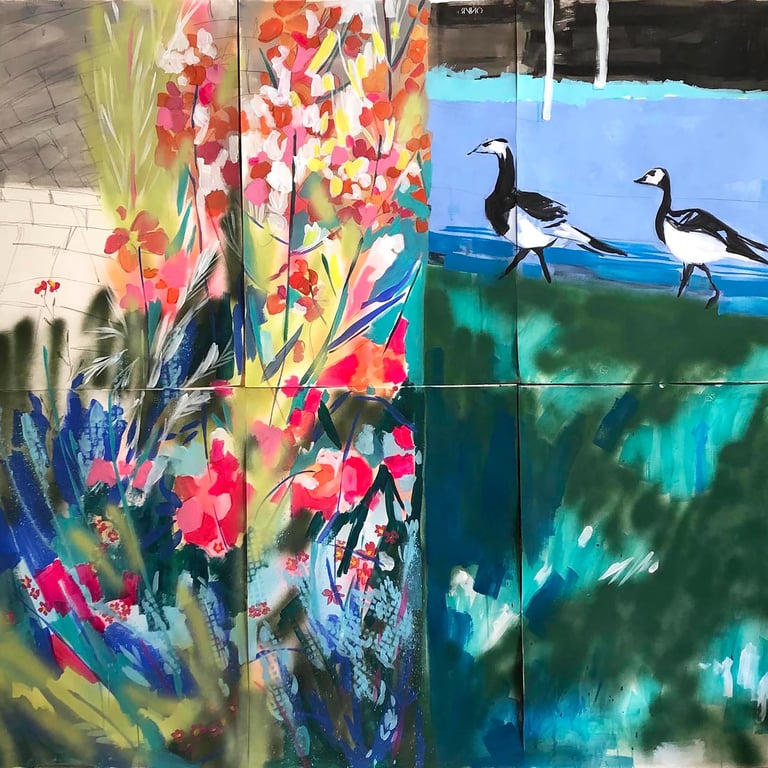
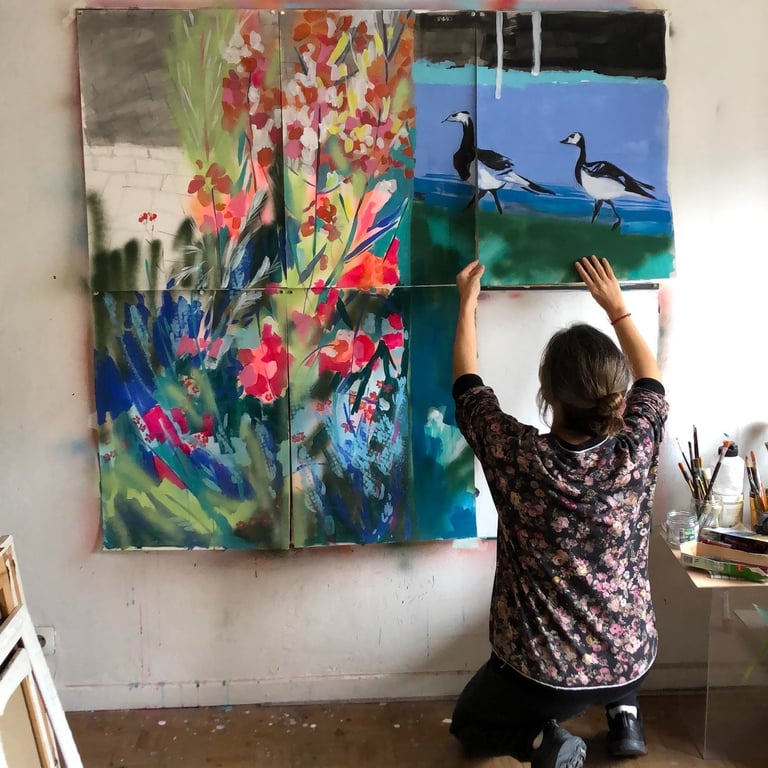
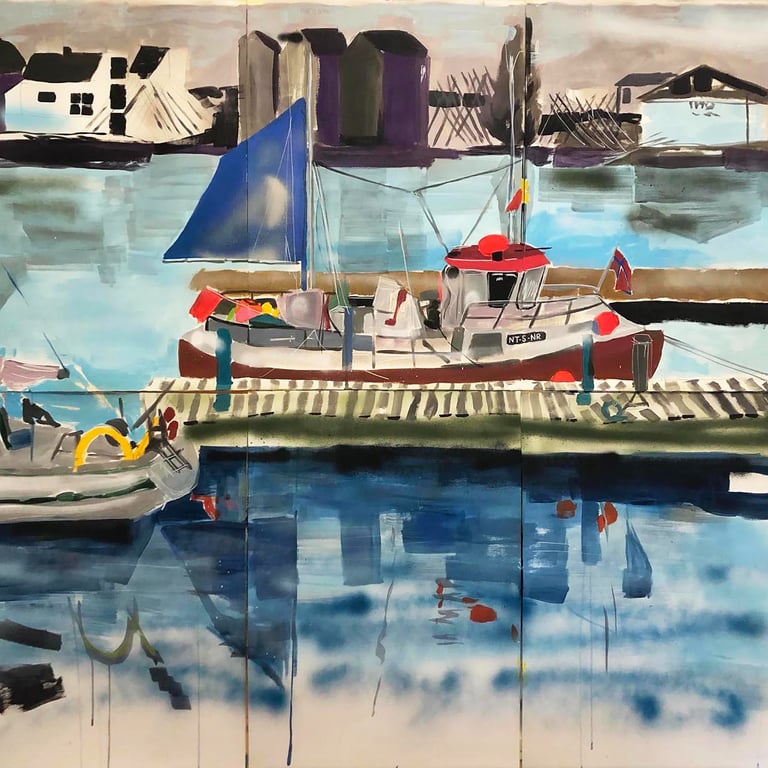
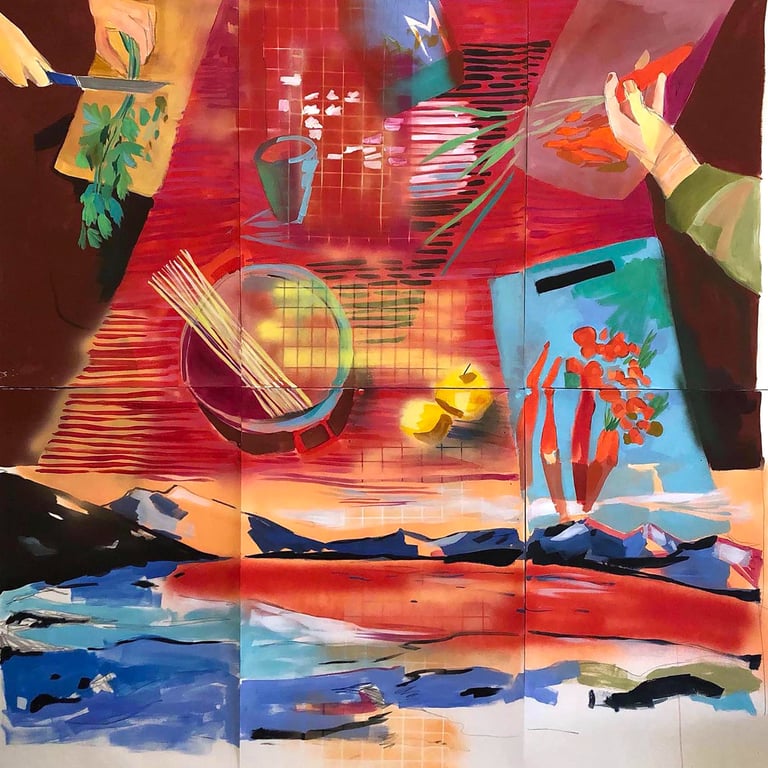
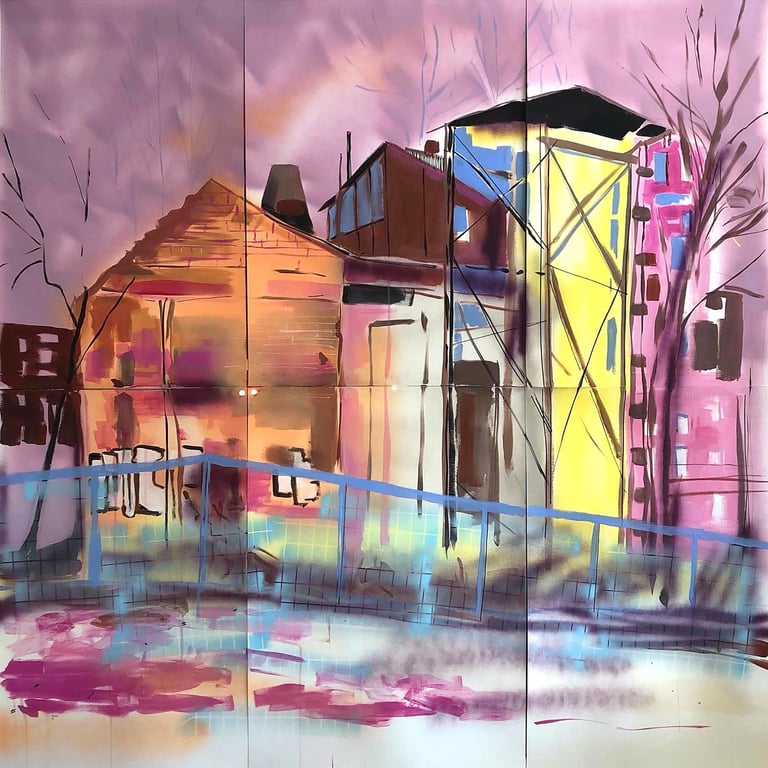
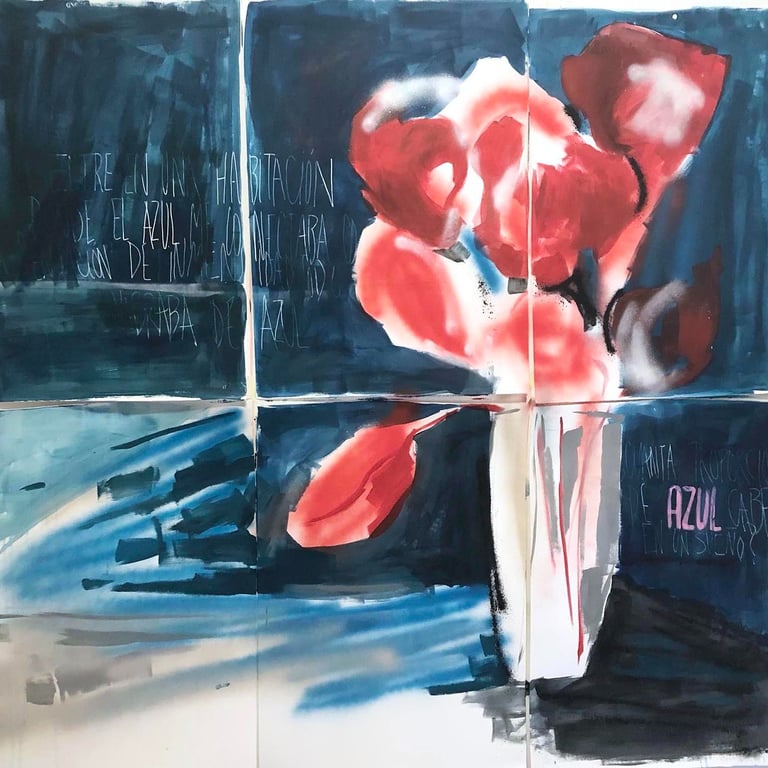
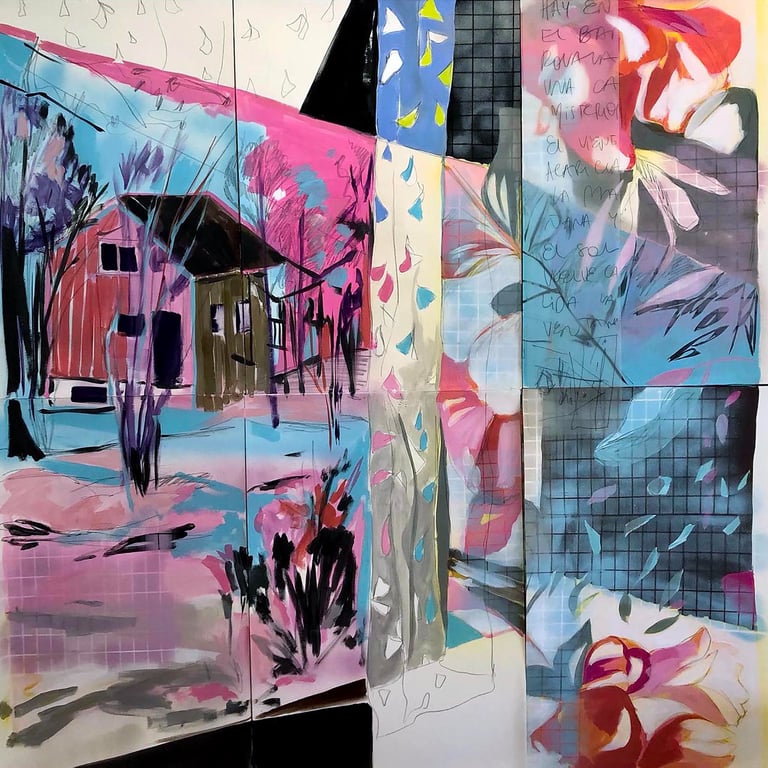
Trip around the island of Suomenlinna
Midnight Sun
Lofoten from the window
Nordic shipwreck
Ritual to the witches of Vardø
Living ruins of Oulu
How much blue fits in a dream?
Lapland